McLaren work on the finest of margins. And one of their recent innovations was to start tracking their drivers’ real-time biometric data - heart rate, sweat, stress levels - and overlaying it with GPS when accelerating and braking.
They weren’t just monitoring the car anymore; they were watching the human inside it, using real-time data to optimise the performance of the driver.
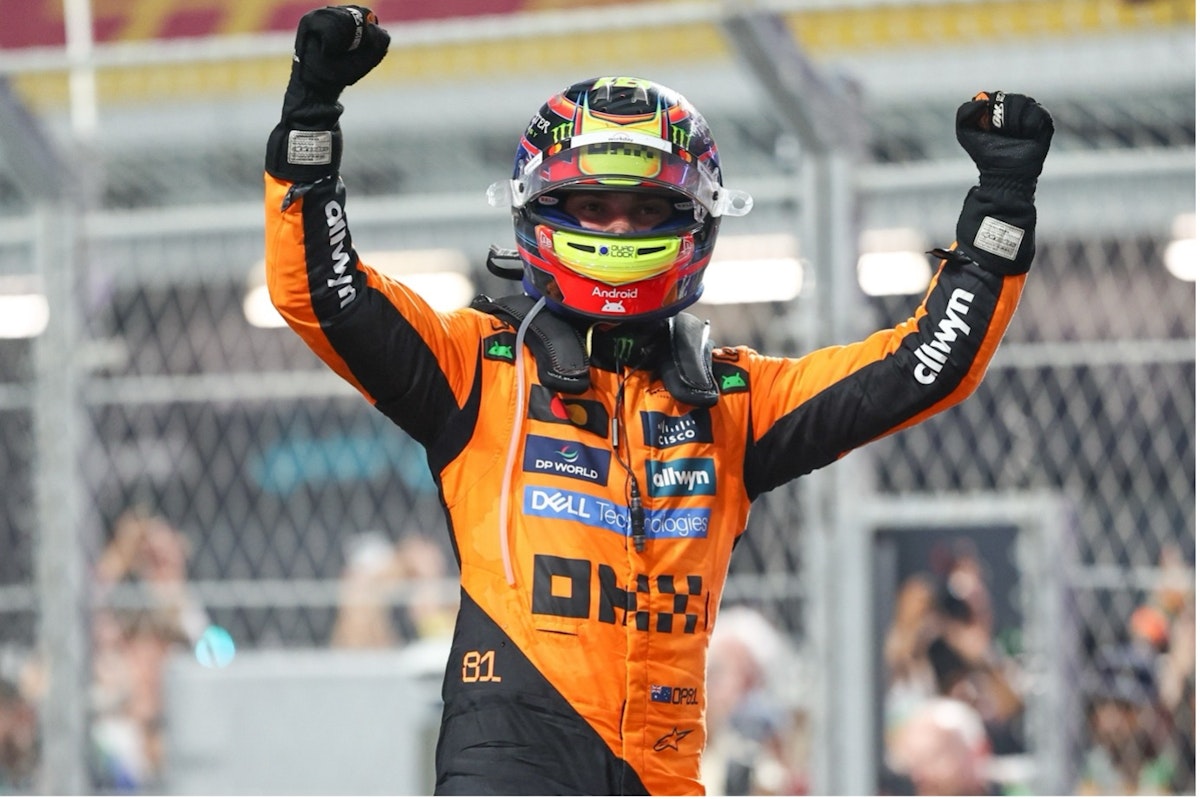
In one case, they noticed a spike in stress before heavy-braking zones. Oscar Piastri wasn’t making mistakes, but he was under strain - and that meant the margin for error was increasing. So they changed the plan: fewer radio messages before those corners.
It worked.
We obsess over machine data - performance, latency, signal speed - but we rarely ask if the human in the system is running optimally.
I think about this sometimes now, years after leaving a trading desk. Back then, the assumption was that good performance meant discipline, process, and experience.
Would my trading have looked different today with two babies interrupting my sleep? Probably.
F1 learned that sometimes the most important component isn’t the million-pound engine or the 500-gram spoiler - it’s the human in the cockpit. And the teams who win don’t just optimise the machine. They optimise the person making the decision.
We use real-time data to fine-tune most other parts of the trading process - so why not apply the same thinking to the person at the centre of it?